
COVID-19 brought health systems worldwide to their knees, but Cuba’s National Health Protocol stood firm. In the middle of this health crisis, Cuba, a cash-strapped nation, had to grapple with substantial disruptions. Its economy, largely based on tourism, took a severe hit. Even so, Cuban authorities effectively handled public health safety, implementing robust preventive strategies to tackle the pandemic.
COVID-19’s Arrival in Cuba
COVID-19 started in Wuhan, China, and quickly spread across the globe, reaching Cuba. On March 11, 2020, four Italian tourists became the first confirmed coronavirus cases in Cuba (NBC, 2020). Owing to the influx of tourists, the virus spread rapidly, leading to 207,322 cases and 1,372 COVID-19 deaths (Worldometers, 2021). Despite this rapid spread, Cuban authorities managed to contain the situation effectively, thanks to a thorough national protocol that prioritized public health safety.
Cuba’s Response to COVID-19
In 2019, tourism contributed a whopping 2.97 billion US dollars to Cuba’s economy (Statista, 2021). When the pandemic hit, Cuban authorities had to make a tough choice between safeguarding lives and protecting the economy. They decided to prioritize the health and safety of Cubans.
Travel Rules in Response to COVID-19 in Cuba
Given that tourists were the first detected cases in Cuba, strict travel rules were implemented. The national protocol introduced measures like requiring a negative PCR COVID-19 test result before entry, health declarations, mandatory testing upon arrival, and compulsory isolation for all visitors (Gardaworld, 2021).
In a bid to curb exposure, Cuban authorities cut down flight frequency, banned non-essential transportation, and enforced a nationwide lockdown (Gardaworld, 2021).
Coping with Sanctions and Implementing National Strategy
US sanctions on Cuba made the pandemic’s impact even harder by cutting off international financing. Despite these financial hurdles, Cuba’s government rolled out a strong response, which included training medical workers early, preparing medical students for contact tracing, and launching public information campaigns (Morris and Kelman, 2020). They also introduced large-scale online buying and selling and used private vehicles to move essential workers (Morris and Kelman).
Homegrown Vaccine Development in Cuba
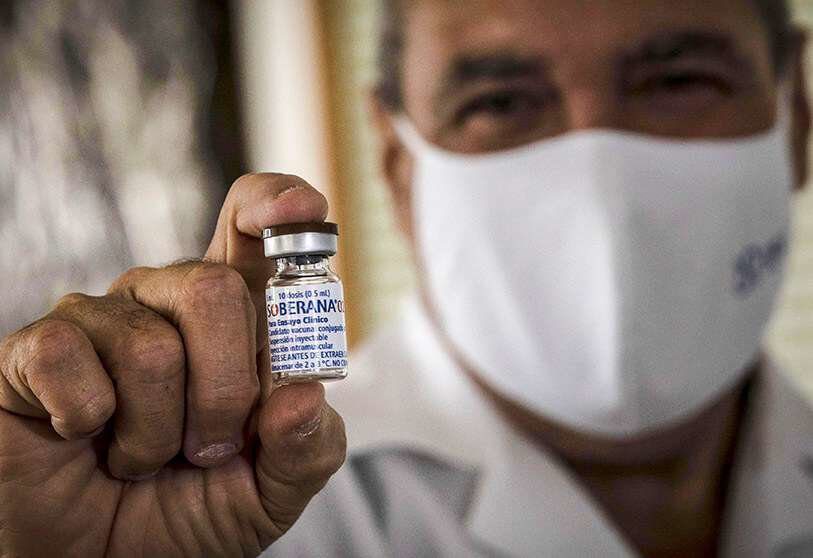
Cuba’s decision to develop its own COVID-19 vaccines rather than importing them raised many eyebrows at first. However, after rigorous clinical trials, they produced two vaccines, Abdala and Soberana, which the World Health Organization (WHO) approved.
Success of the Vaccines
With an efficacy rate of 92.8 percent for Abdala and 62 percent for Soberana, these vaccines surpassed the 50 percent WHO validation mark (Nature, 2021). Increasing global demand for these vaccines validated Cuba’s choice to develop their own solutions. The nation now ranks fourth globally for the effectiveness of its COVID-19 vaccines.
The Health Infrastructure and Public Education’s Role
Cuba’s primary health care system played a vital role in containing the virus. Before recording the first cases, Cuban authorities had already started diagnostics and a comprehensive public education campaign (Taylor, 2021). This public education significantly increased acceptance of the homegrown vaccines.
Despite lacking certain medical supplies, Cuba made the best of the situation by deploying well-trained medical workers.
Conclusion: Learning from Cuba’s Response
Cuba’s swift and comprehensive response to COVID-19 serves as a lesson for other countries. Their strategic approach, including lockdowns, phased travel bans, public health education, and the development of globally recognized vaccines, showcases Cuba’s robust leadership.
By prioritizing the health and safety of its citizens, Cuba mitigated the devastating effects of the pandemic. Cuba’s experience shows that even countries with limited resources can effectively handle a health crisis. Cuba’s resilient and adaptable health protocol provides a valuable blueprint for managing public health crises worldwide.
References
Gardaworld (2021). Cuba: COVID-19-related travel protocols and domestic restrictions in force as of May 4 remain largely unchanged/update 21 Garda Crisis24 report on Cuba’s COVID-19 restrictions
Morris, E. and Kelman, I. (2020). Coronavirus response: Why Cuba is such an interesting case The Conversation analysis of Cuba’s coronavirus response
Nature (2021). Can Cuba beat COVID with its homegrown vaccines Nature article on Cuba’s COVID-19 response
NBENEWS (2020). Cuba confirms first coronavirus cases, tells people to make their own masks NBC News report on Cuba’s first coronavirus cases
Statista (2021). Cuba: Direct tourism contribution to GDP 2010-2019 Statista data on travel and tourism in Cuba
Taylor (2021). How Cuba and Uruguay are quashing coronavirus as neighbors struggle New Scientist report on Cuba’s coronavirus response
Worldometers (2021). Cuba coronavirus cases Worldometer COVID-19 data for Cuba
Read Also: Cuba Enters the Race to Beat COVID-19 (opens in a new tab)