A diagnosis of a neurodegenerative disease brings profound and immediate challenges for patients and their families. As conditions progress, finding a supportive, multifaceted, and effective dementia treatment becomes a critical priority. Families are constantly searching for ways to preserve quality of life and manage symptoms with dignity.
In recent years, Cuba has emerged as a noteworthy destination for international patients seeking specialized care. Driven by a robust biopharmaceutical sector and highly individualized neuro-restorative medical programs, Cuba offers unique, comprehensive approaches to managing cognitive decline and improving the day-to-day lives of those affected by severe neurological conditions.
Understanding Neurodegenerative Diseases and Cognitive Decline
Neurodegenerative diseases involve the progressive loss of structure or function of neurons in the brain. Over time, this damage leads to cognitive impairment, severely affecting memory, behavior, mood, and the ability to perform basic everyday tasks.
While there are many forms of these disorders, Alzheimer’s disease remains the most common diagnosis worldwide. According to the World Health Organization (opens in a new tab), millions of individuals globally live with dementia, underscoring the urgent, growing need for comprehensive care strategies across the globe. Additionally, the National Institute on Aging (opens in a new tab) notes that while memory loss is the most recognized symptom, these complex conditions can also severely impact motor skills, spatial awareness, and independent living.
Finding a successful Alzheimer’s treatment or a broader management plan requires a multifaceted medical strategy. Currently, there is no absolute cure for most neurodegenerative diseases. Modern medical interventions focus instead on slowing down the disease’s progression, meticulously managing symptoms, and providing a dignified, stress-free, and supportive environment for both patients and their families.
Why Cuba Is Attracting Attention for Neurological and Neuro-Restorative Care
Cuba’s healthcare system is internationally recognized for its preventative and holistic medical practices, particularly in the fields of immunology, biotechnology, and neurology. International patients are increasingly turning to Cuban medical facilities because of the country’s distinct, deeply integrated approach to neuro-restorative and preventative care.
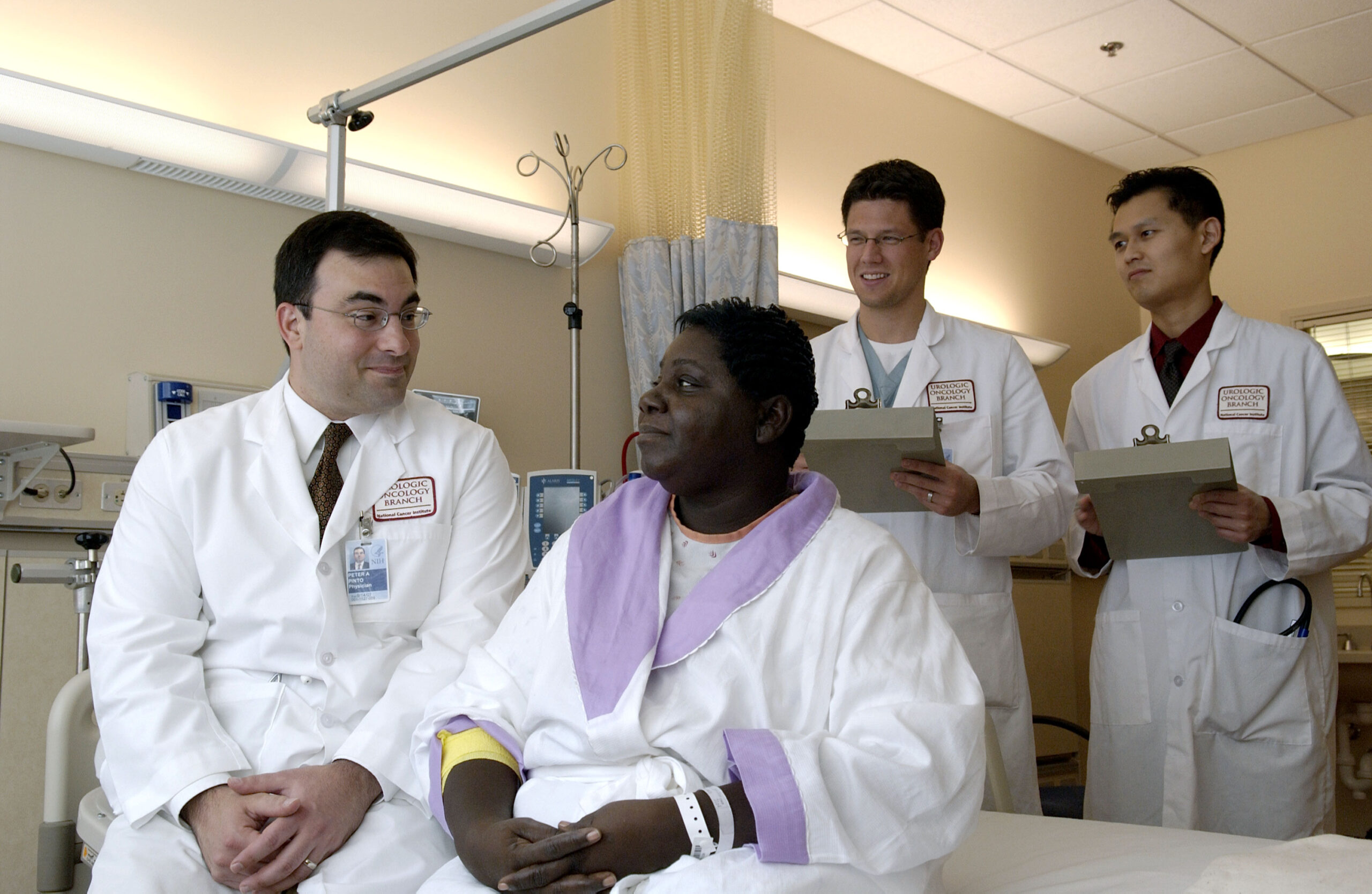
Cuba is drawing growing international attention for neurological and neuro-restorative care because of its integrated medical approach. Rather than focusing only on medication, Cuban programs often combine neurological evaluation, rehabilitation, cognitive support, and long-term monitoring within the same care pathway.
Another reason families explore Cuba is the country’s established medical and biopharmaceutical tradition. In areas related to neurology and restorative care, patients may benefit from coordinated input from neurologists, rehabilitation professionals, neuropsychology teams, and other specialists depending on the individual diagnosis and level of functional impairment.
For international patients, this structured approach can make the evaluation process clearer and more personalized. Treatment planning depends on the diagnosis, stage of disease, overall health, medical history, and realistic therapeutic goals, which is why a specialist assessment remains essential before any treatment decision is made.
Exploring NeuralCIM as a Neuro-Restorative Option
A major focal point of Cuba’s modern approach to cognitive impairment is the careful development and application of specialized biopharmaceuticals. One such medical advancement that has gained international attention is the NeuralCIM neuro-restorative treatment.
It is vital to approach this topic with strong medical objectivity. NeuralCIM is not presented by doctors as a miracle cure that can reverse severe dementia. Instead, it is an innovative formulation designed to act as a neuro-protector. Medical researchers in Cuba developed this specialized therapy with the specific goal of mitigating the progressive damage caused by neurodegenerative conditions.
By targeting specific neurological pathways, the treatment regimen aims to safely slow down the trajectory of cognitive decline, potentially preserving vital memory and functional ability for longer periods. For families actively exploring specialized dementia treatment abroad, NeuralCIM represents a rigorously monitored therapeutic option that is seamlessly integrated into a broader, holistic care program.
What International Patients Should Consider Before Traveling
Traveling internationally for complex medical care requires careful planning, transparent communication, and realistic expectations. The overall suitability of neuro-restorative programs in Cuba depends highly on the individual patient’s medical history, the current stage of their disease, and their overall physical health.
A comprehensive medical assessment ensures that the proposed Alzheimer’s treatment or cognitive therapy aligns safely with the patient’s specific medical needs. Families must collaborate closely with their home physicians and experienced medical tourism facilitators to gather medical records, recent MRI scans, and neurological evaluations prior to beginning their journey.
Related Topics on CubaHeal
If you are interested in learning more about the intricacies of neurological care and specialized medical travel to Cuba, please explore these detailed resources:
- What Is NeuralCIM and How Does It Help Protect the Brain in Dementia?
- Innovative Dementia Treatment in Cuba: The Role of NeuralCIM
- Dementia Treatment Abroad: Why Patients Are Turning to Cuba and NeuralCIM
- Why NeuralCIM Is Fundamentally Different from Conventional Alzheimer’s Drugs
- Cuba: A Premier Medical Tourism Destination